
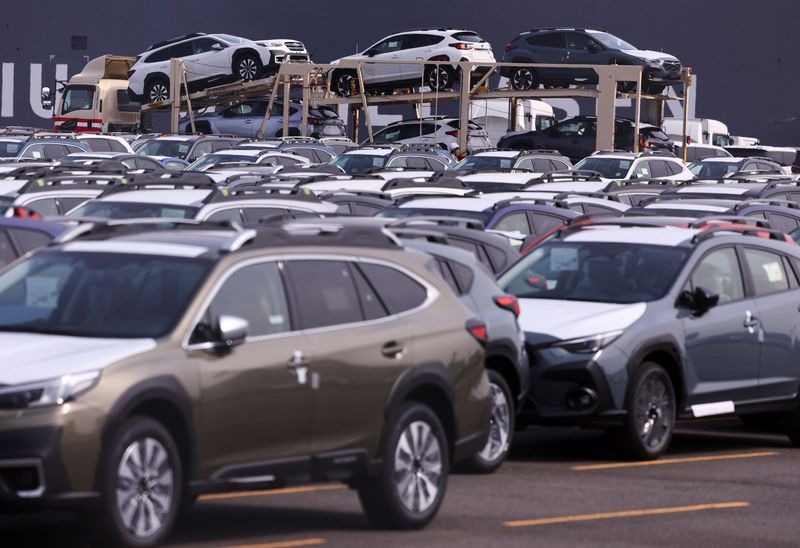
Car prices in the United States have stayed relatively muted despite the impact of sweeping U.S. tariffs, even as economists predict that the automotive sector is among the most exposed to increased levies.
The prices of many goods directly exposed to President Donald Trump’s aggressive trade agenda have shown some of the first signs of edging higher, but overall price gains have been tepid. One contributor was softness in autos, which account for a sizable weight in the underlying measure of goods inflation.
In a note to clients, analysts at Morgan Stanley suggested that the weaker pricing is likely connected to elevated inventories, as dealers built up stocks ahead of the implementation of the duties.
"Strategic pricing restraint" was cited as another factor, the brokerage said, adding that many automakers are trying to protect market share by absorbing tariff-related expense increases rather than passing these costs on to customers through price hikes. Korean car names have especially taken to this tactic, they noted.
"While some have now started modest price increases, Korean automakers appear to [be] waiting to make adjustments, potentially targeting September," the analysts wrote.
"Put differently, they seem to see the current tariff environment as a competitive opportunity, with weaker profitability among rivals suggesting room to gain market share."
Meanwhile, automobiles imported from Mexico and Canada face lower tariffs compared to those incoming from major car exporters like Japan, South Korea and Germany. As a result, manufacturers from these countries, worried about putting themselves at a competitive disadvantage, are finding it harder to pass on tariff costs to consumers, the analysts suggested. However, indications are beginning to emerge that these trends will prove to be "temporary" and "it is a matter of timing for auto prices to catch up to other categories that are highly exposed to tariffs," they warned.
The cushion from elevated car inventories in particular is "starting to wear thin," while industry data and anecdotal evidence is pointing to "tightening supply conditions," they said.
"[A]s pre-tariff inventory clears, replacement vehicles will likely carry higher price tags," the analysts argued.
They predicted that the pace of this rise could be remain slow, "with exporters absorbing some of the cost and automakers cautiously adjusting prices based on competition."
"However, over time, the costs will eventually be passed through," they said.