
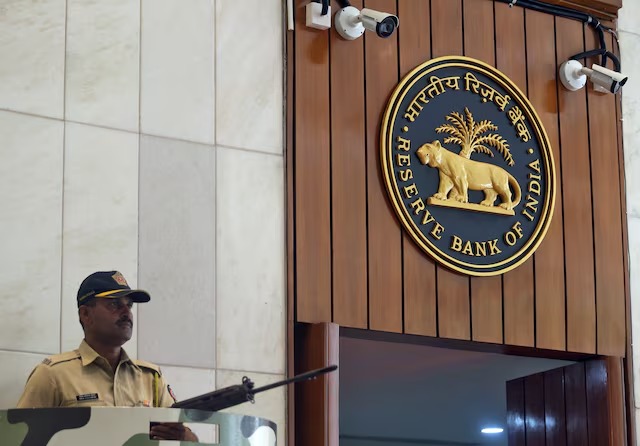
India's central bank held key interest rates steady on Wednesday as expected, saying the economy remains steady, even though economists expect steep U.S. tariffs on Indian exports and subdued inflation to open room for limited further easing. India faces the imposition of a 25% tariff on its shipments to the U.S. from Friday, and President Donald Trump has warned of "very substantial" additional levies because of New Delhi's oil imports from Russia. Global trade challenges continue to linger but prospects for the Indian economy remain "bright", Reserve Bank of India (RBI) Governor Sanjay Malhotra said in statement. The six-member rate-setting panel voted unanimously to hold the key repo rate at 5.50% and decided to continue with a “neutral” policy stance. While headline inflation is much lower than expected, it is largely due to volatile food prices and is set to rise towards the end of the year, Malhotra said. A large majority of economists, 44 of 57, had forecast a pause in a July 18–24 Reuters poll, following a surprise 50 basis point cut in June. The central bank has cut the policy repo rate by 100 bps so far in 2025 as price pressures eased. A majority of economists see room for limited further easing, but some say that low inflation and trade uncertainties could prompt another 50 bps of rate cuts. "The ongoing transmission of past monetary easing and the evolving global backdrop appear to have placed the RBI firmly in wait-and-watch mode," said Sujan Hajra, chief economist at Anand Rathi Group in Mumbai. "This points to room for an additional 50 bps reduction," Hazra said. Bond yields rose after the policy announcement, with traders saying the policy statement lacked any obvious dovishness, leaving the market divided on the direction of interest rates. India's benchmark 10-year bond yield rose 4 bps to 6.3701%, while the rupee was little changed at 87.7350. The benchmark equity indexes were down around 0.2% each. Wall Street's main indexes ended lower on Tuesday, with the Dow falling marginally, the S&P 500 shedding half a percent and the Nasdaq losing almost two-thirds of a percent.
The RBI's rate cutting cycle is at an end, said Capital Economics in a note. Prior to this policy meeting, a Reuters poll of economists had forecast one more 25 bps rate cut in the current cycle.