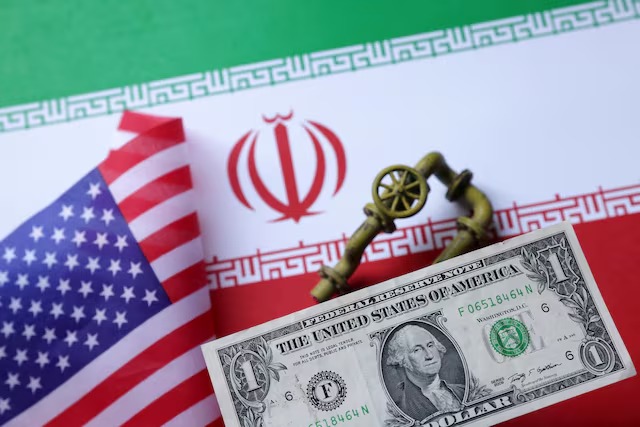
While it's tempting to assume the dollar's long-lost "safety" bid has returned since the weekend Iran attacks, it's not as clear-cut as it seems and owes more to relative energy plays. Yet the implications of the market response may be just as powerful. Ever since Donald Trump's return to the White House last year, the dollar has waned even during periods of market anxiety and volatility, due in large part to U.S. economic policy uncertainty and both domestic and geopolitical upheaval. Get a look at the day ahead in U.S. and global markets with the Morning Bid U.S. newsletter. Sign up here. Advertisement · Scroll to continue
Sponsored by LinkedIn for Marketing Boost your event with confidence Running an event on LinkedIn? Use your existing event page to create an ad. No new assets, no complex setup. Just more reach, more signups, more impact: https://lnkd.in/drQcwUXr Learn more
Reversing years of dollar over-valuation is a key tenet of the Trump administration's economic plan. But the greenback's diminished haven role in times of global political or financial stress suggests foreign investors - already up to their eyeballs in U.S. assets - have changed their behaviour. So it was remarkable that the dollar (.DXY), opens new tab jumped across the board after last weekend's extraordinary bombing campaign by U.S. and Israeli forces against Iranian targets, including the assassination of Supreme Leader Ali Khamenei and the wave of regional violence that's followed. Dollar surges as oil jumps on Iran attacks Dollar surges as oil jumps on Iran attacks The crux of the move hinged more on the inevitable energy price dynamics rather than any dash for dollars per se. In fact, it was more a default move out of the currencies of economies worst hit by an outsized and protracted energy price squeeze.