The escalating crisis in the Middle East has dramatically changed the outlook for Asian central banks, with the huge supply shock posing a difficult trade-off between underpinning growth and countering inflation. For emerging Asian central banks, cutting interest rates has become a risky bet not just because of the added price pressure from higher fuel costs, but the risk of triggering capital outflows through worsening terms of trade with the U.S. The Reuters Iran Briefing newsletter keeps you informed with the latest developments and analysis of the Iran war. Sign up here. Advertisement · Scroll to continue
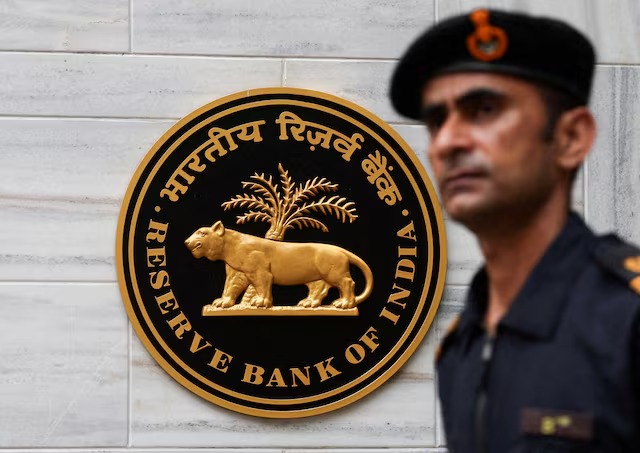
The Reserve Bank of India, for one, expects to focus more on supporting growth by keeping interest rates low, sources have told Reuters. But a rush towards the safe-haven dollar, which is intensifying from the U.S.-Iran war, may force it to ramp up intervention to prop up its weakening currency. "We don't see a possibility of a near-term rate hike in India - we do not see retail fuel prices moving higher immediately," said Suvodeep Rakshit, economist at Mumbai-based Kotak Institutional Equities. "At this stage, the immediate priority of the central bank will be what happens on FX. We expect them to continue intervening to curb volatility there. An afterthought will be the liquidity impact of that intervention and they will infuse liquidity as needed." Advertisement · Scroll to continue
Thailand and the Philippines may be forced to reverse their dovish monetary policy stance, even as rising fuel costs hurt their economies, said Toru Nishihama, chief emerging market economist at Dai-ichi Life Research Institute in Tokyo. "Many central banks will face a tough decision as they come under pressure from both markets and governments," Nishihama said. "With no clear end in sight to the conflict, the risk of stagflation is heightening day by day." Share markets plunged and the safe-haven U.S. dollar rose in Asia on Monday as oil surged past $110 a barrel, stoking fears of a protracted Middle East war on global energy supplies and higher inflation that may force central banks to hike rates. The trade-off is particularly acute for manufacturing-heavy economies like South Korea and Japan, which are dependent on global trade, stable markets and cheap raw material costs - all being undermined by the widening Middle East crisis.