
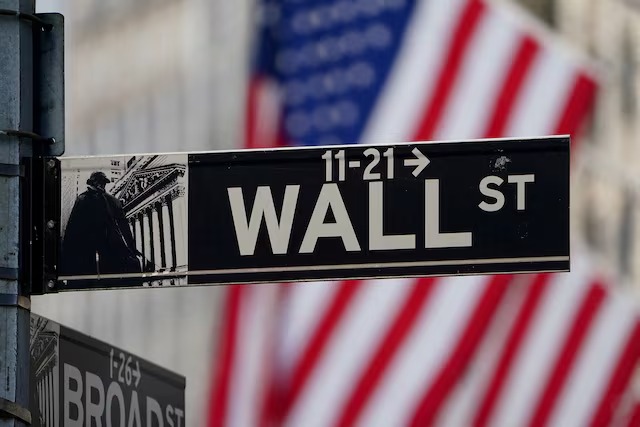
Stocks in Asia and Europe tumbled on Monday as the Iran war entered its second week and oil prices surged as much as 30% above $100 a barrel. But Wall Street rallied and oil later sank after President Donald Trump indicated the war may soon be over. In my column today I put Wall Street's resilience under the microscope. As selling snowballs across other equity markets, why has the global avalanche not yet engulfed U.S. stocks? Are there reasonable explanations, or is complacency setting in? The Reuters Iran Briefing newsletter keeps you informed with the latest developments and analysis of the Iran war. Sign up here. Advertisement · Scroll to continue
If you have more time to read, here are a few articles I recommend to help you make sense of what happened in markets today. Trump says war against Iran is 'very complete,' CBS News reports Iran hardliners rally behind new leader, unsettling global markets Middle East conflict sticks 2026 consensus trades into reverse Back to the 1970s? Investors brace for a return of stagflation Compounding errors and narrow self-interest threaten global fuel crisis: Russell Today's Key Market Moves STOCKS: Asia hammered, Europe tumbles, but main U.S. indices reverse opening losses and end between 0.5% and 1.4% higher. SECTORS/SHARES: Nine S&P 500 sectors rise, led by tech +1.6%. Energy -1%. Caterpillar +3.5%, Nvidia +2.7%, Amgen +2%; Cisco -3%, Boeing -2.6%, IBM -2% FX: Dollar rises but reverses course late in the U.S. day. EM FX rebounds, BRL and ZAR +1.5%, bitcoin +3%. BONDS: U.S. Treasuries mixed, curve bull flattens. Euro zone bonds rally, UK gilts sell off. COMMODITIES/METALS: Oil settles up 4-7%, after rising as much as 30%, then plunges 7% in post-settlement trade. Gold dips, but other precious metals rise 2-3%. chart chart Today's Talking Points * Central bank paralysis There can be no doubt now - the eye-watering surge in oil prices since the U.S. and Israel launched their joint attack on Iran on February 28 has put central banks in an unenviable bind. Price pressures are clearly intensifying, but the impact of $100 a barrel oil on economic activity will be harsh. Do they hike rates to nip inflation in the bud, or adopt a more dovish stance in the face of rising unemployment and potential recession? In the U.S., the labor market was already creaking, household savings are run down, and now gas prices are soaring. Higher borrowing costs will hurt the average consumer. But so will higher inflation.