Gold prices turned slightly higher on Tuesday, as investors remained on edge amid little progress in peace talks between the U.S. and Iran ahead of a key deadline by President Donald Trump to unblock the critical Strait of Hormuz.
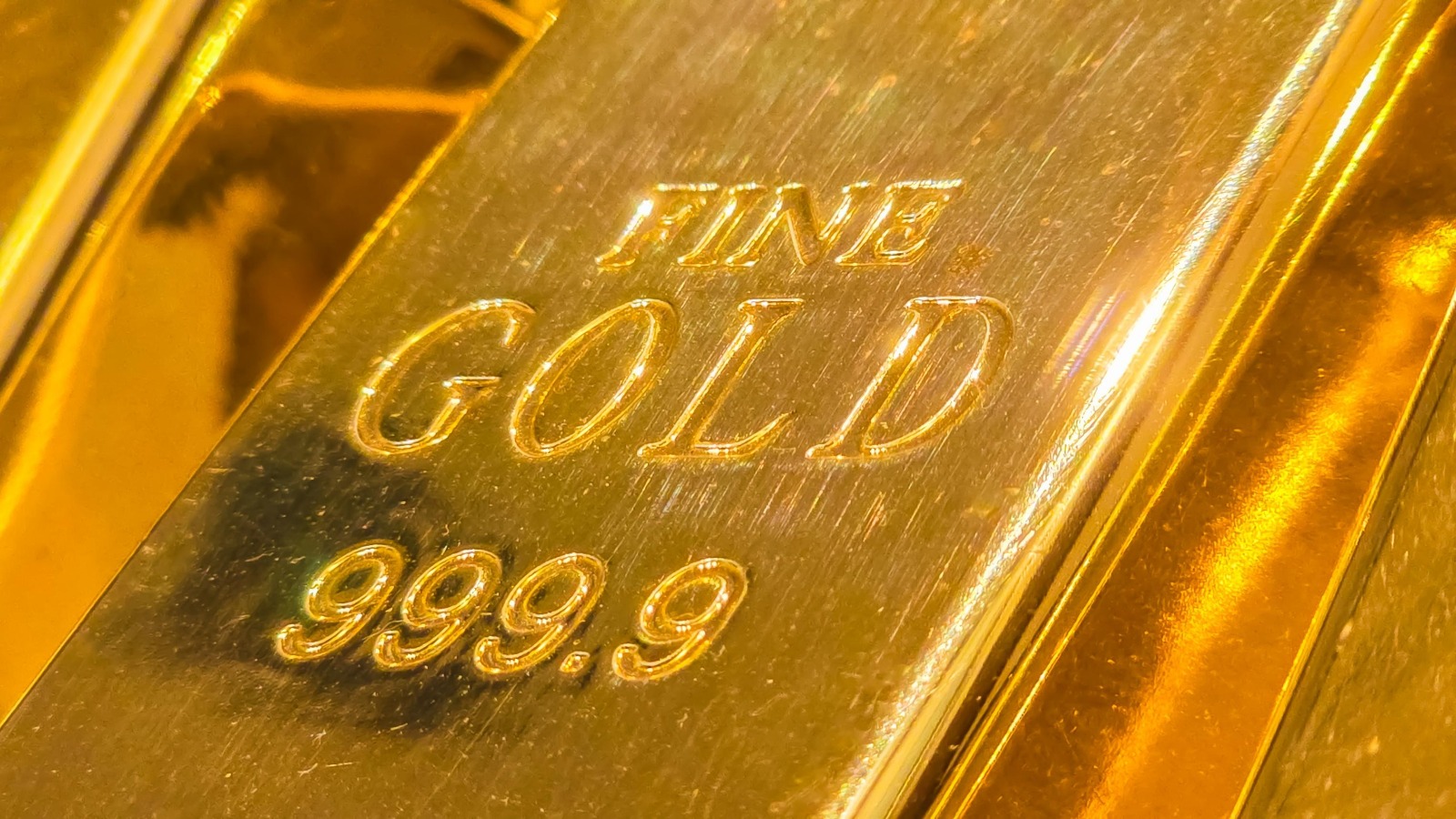
Spot gold XAU/USD was last up 0.6% to $4,678.51/oz at 14:03 ET (18:03 GMT), while Gold Futures for June delivery gained 0.4% to $4,704.45/oz.
Get premium commodity market insights with InvestingPro - now 50% off
Trump says Iranian ’civilization will die tonight’ Trump on Tuesday threatened to destroy the "whole civilization" of Iran should the Islamic Republic not reopen the Strait of Hormuz ahead of a 20:00 ET deadline.
The effective closure of the vital chokepoint has pushed up oil prices, threatening to drive inflation higher and weigh on global growth. Roughly one-fifth of the world’s oil squeezes through the waterway.
Trump earlier vowed to decimate "every bridge" and "power plant" in Iran, and said that if the U.S. attacked Tehran’s energy infrastructure, it would take the country "100 years to rebuild."
The Wall Street Journal reported that Iran had halted all direct talks with the U.S. following Trump’s "whole civilization" threat, though negotiations via mediators were still ongoing.
Reuters reported that Iran said there were no negotiations with the U.S. which wants the country to "surrender under pressure," citing a senior Iranian source.
Iran also warned that if the U.S. attacked its power plants, "the entire region and Saudi Arabia will fall into complete darkness," Reuters said, adding that Qatar had conveyed this message to the U.S. on Monday.
Additionally, Iran will not reopen the strait in exchange for "empty promises," Reuters said. Iran also threatened that, if the situation escalated further, its allies would close the Bab-el-Mandeb waterway, another important global chokepoint that connects the Red Sea to the Gulf of Aden.
Gold remains lower since Iran war started The yellow metal remains under pressure since the start of the U.S. and Israel attack on Iran at the end of February. Spot gold is down 11.7% over that period, as the prospect of an energy-fueled inflation spike underpinned expectations that central banks around the world may opt to leave interest rates higher for longer. Non-yielding bullion tends to underperform in elevated rate environments.
Adding to the downward pressure on gold has been the U.S. dollar. The greenback has largely been the safe haven asset of choice for investors during the latest Middle East conflict and has strengthened, making dollar-denominated gold more expensive for overseas buyers.
"In early trade last Thursday gold traded briefly at $4,800 to hit its best level in a fortnight. But it subsequently slumped, dropping to $4,550 just a few hours later. It has managed to recover since then, but there isn’t much power behind the rally, suggesting that investors aren’t wholly convinced that higher prices are on the horizon," David Morrison, senior market analyst at Trade Nation, said.
"Yet the daily MACD has turned up from relatively oversold levels, and this may give the bulls some confidence. Unfortunately, markets are no longer pricing in rate cuts this year as inflationary pressures have started to increase again, getting a recent boost from oil prices. This looks likely to provide a bit of a headwind in the near term," he said.