
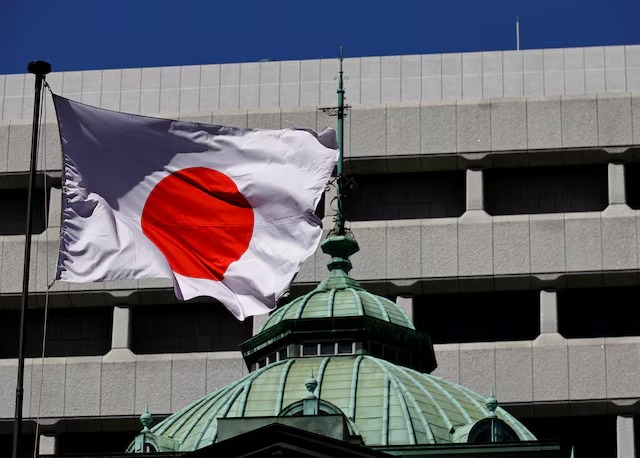
The Bank of Japan is likely to keep interest rates steady on Thursday but signal its resolve to sustain its rate-hike bias, as the weak yen and surging oil prices from the Iran war heighten inflationary pressure for an import-reliant economy. Global oil prices surged as much as around 70% after the U.S.-Israel war on Iran began on February 28, putting central banks on alert to inflationary risks by reviving memories of the cost-of-living crisis during the pandemic. The Reuters Iran Briefing newsletter keeps you informed with the latest developments and analysis of the Iran war. Sign up here. Advertisement · Scroll to continue The BOJ, too, has been torn between the need to guard against the chance of recession from high fuel costs, and that of being too late in addressing the risk of too-high inflation. Given a lack of clarity on the impact of the war, the BOJ is set to maintain short-term interest rates at 0.75% and make no major changes to its forecast of a moderate economic recovery at a two-day policy meeting ending on Thursday. Investors will focus on Governor Kazuo Ueda's post-meeting briefing for clues on the next rate-hike timing, and how he frames the balance between the need to support a shock-hit economy and avoid being behind the curve on inflation. Advertisement · Scroll to continue "If growth softens while inflation rises, the BOJ could face a classic stagflation-style policy trade-off," said Naomi Fink, chief global strategist at Amova Asset Management. "Although tightening would risk worsening domestic weakness, failing to do so would risk exacerbating yen weakness and intensifying credibility questions. This could increase the risk of inflation expectations becoming unmoored to the upside." The bigger test will come at the BOJ's subsequent meeting in April when the board conducts a quarterly review of its projections, and takes a more thorough look at whether its economic scenario backing more rate hikes remains valid. By then, the BOJ will have more information on how the war is affecting the economy such as its quarterly "tankan" business survey due on April 1, and findings on how firms are coping with the hit from its regional branch managers' meeting on April 6.
If the war persists and crude prices remain elevated, the BOJ may be forced to overhaul its scenario that solid economic and wage growth will keep inflation durably around its target - a prerequisite for further rate hikes. But delaying rate hikes for too long could prove costly particularly for Japan as its real interest rate remains deeply negative, a point the BOJ itself had stressed as a key reason to steadily push up borrowing costs. If rising import costs heighten inflation expectations, that will push real interest rates deeper into negative territory and blunt the impact of past rate hikes, heightening the risk of the BOJ being too late in addressing price pressures, analysts say. Despite downside risks to growth from the conflict and political pressure for the BOJ to take rate hikes slowly, markets still see roughly a 70% chance of a rate hike in April.