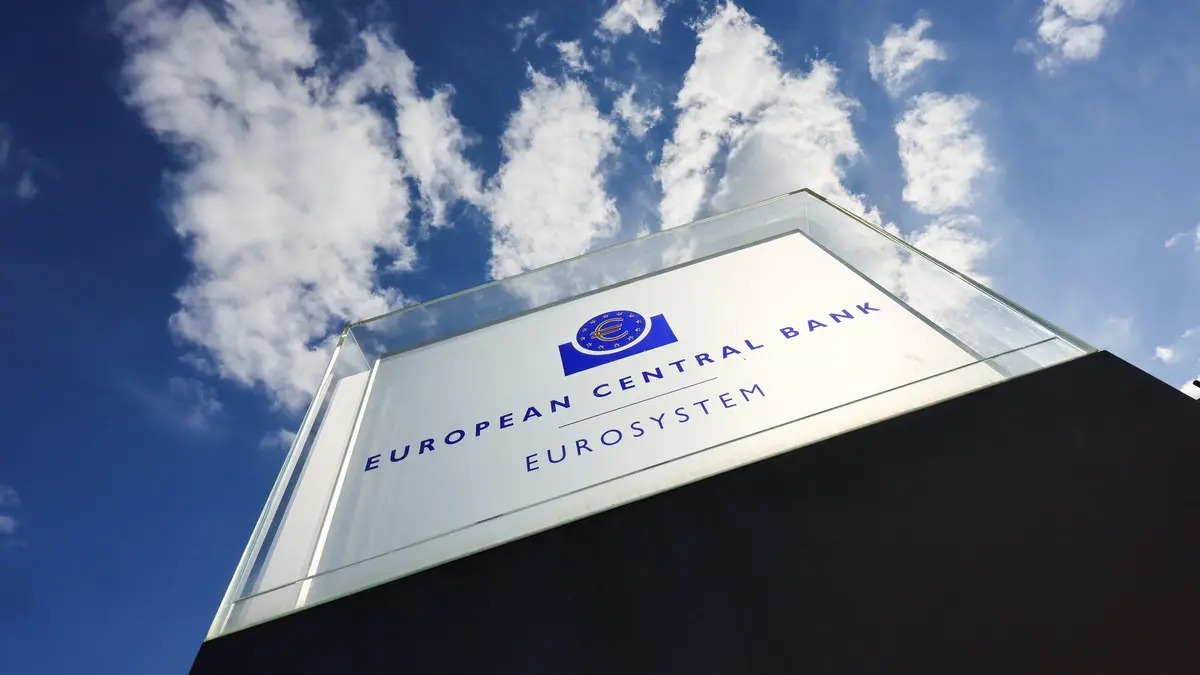
The European Central Bank (ECB) is likely to pivot toward a more aggressive interest rate hiking cycle as the ongoing conflict in the Middle East creates a dual challenge of surging inflation and slowing economic growth.
Get premium European markets insights with analyst comments on InvestingPro According to a new "European Economic Perspectives" report from UBS, the central bank is now expected to deliver at least two 25-basis-point hikes this year, bringing the policy rate to 2.5% by September.
Stagflationary pressures force the ECB’s hand The primary driver behind the shift is the persistence of high energy prices resulting from the regional war, which is beginning to seep into broader consumer costs.
UBS analysts note that while they currently forecast hikes in June and September, the "balance of risk is skewed towards earlier, faster or larger rate hikes."
According to the report, a move as early as the April 30 meeting is plausible if the Governing Council sees "sufficient evidence of pro-inflationary second-round effects."
"The Middle East conflict is confronting central banks with new challenges, above all, higher inflation and slower growth," the UBS report states.
The stagflationary environment creates a difficult balancing act for Frankfurt; hiking rates to curb energy-driven inflation risks further cooling an already fragile European economy.
However, the report cautions that the bank’s current outlook "may prove too dovish" if the conflict in the Gulf continues to restrict oil and gas supply throughout the second half of the year.
Divergent paths for the BoE, SNB, and Riksbank As the ECB prepares to tighten, other European central banks appear to be taking more cautious or divergent routes. The Bank of England (BoE) is expected to maintain a "prolonged hold," with analysts predicting that its next move will actually be a rate cut in late 2026.
Meanwhile, the Swiss National Bank (SNB) is likely to remain at 0% through mid-2027, as a strong Swiss Franc (CHF) acts as a natural buffer against imported energy inflation.
In Sweden, the Riksbank is expected to keep its policy rate stable at 1.75%, as domestic inflation has actually been trending downward. For the ECB, however, the "Safe Opening" talks in Islamabad remain the critical variable.
Should the negotiations fail to reopen the Strait of Hormuz, UBS warns that the central bank might ultimately be forced to deliver more than two hikes to defend price stability, regardless of the impact on Eurozone GDP growth.