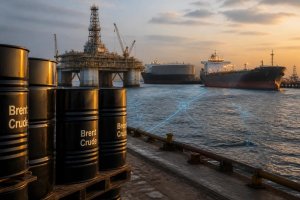
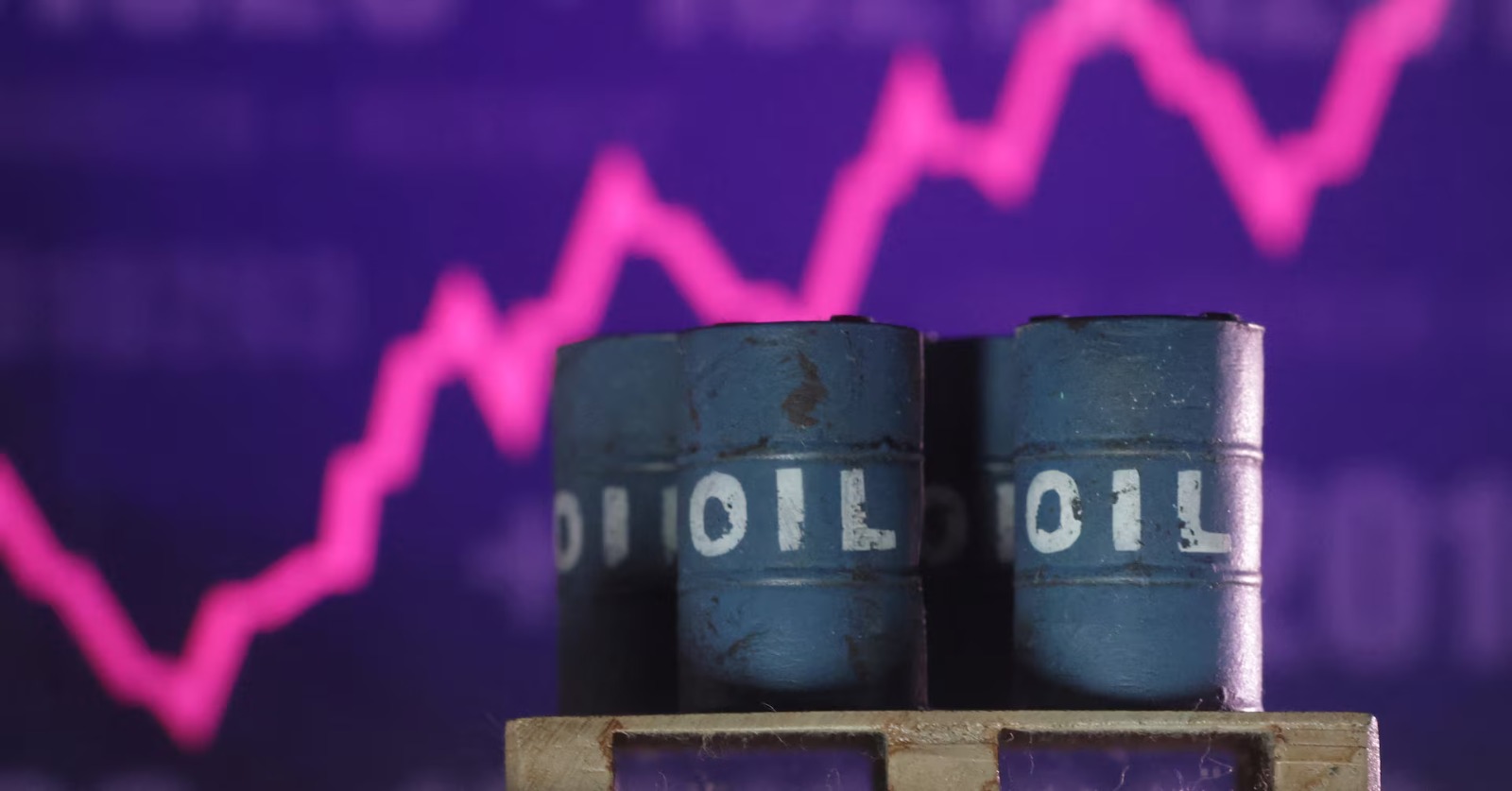
A look at the day ahead in European and global markets from Wayne Cole. So, there's a limit to wishful thinking. Markets had assumed the U.S. and Iran were bound to see sense and strike a deal at any moment. Instead, Tehran seems to still favour attack drones, and President Trump tweets in ALL CAPS. The Reuters Iran Briefing newsletter keeps you informed with the latest developments and analysis of the Iran war. Sign up here. Investors are realising the Strait of Hormuz isn't going to open anytime soon. Some ships are dribbling through, but nothing like the pre-war average of 136 a day and global inventories are steadily drying up. At current levels, analysts estimate 1 billion barrels of crude will have been lost by the end of May.
Actual shortfalls of product look likely starting sometime in June and then it will need demand destruction to balance the market, meaning much higher prices. Brent is thus up above $111.00 again, and the September contract has topped $100. That's bad news for inflation globally, as well as perfectly timed for the summer driving season, and already looks to have taken a toll on Chinese economic activity. Retail sales rose just 0.2% in April, far below the 2.0% expected, while industrial output underwhelmed. Bonds have extended their rout as 10-year Treasury yields hit their highest since February 2025 at 4.631%, and 30-year yields reached 5.159%.
The jump in borrowing costs will further widen Washington's already gaping budget deficit, adding repayment concerns to inflation worries. And it's not as if the current administration has shown any intent to rein in debt, instead arguing for a $1.5 trillion defence bill, while dropping a billion on a ballroom and who knows how much on a triumphal arch. War, oil, inflation, rates and deficits will be very much on the degustation menu when G7 finance ministers and central bankers meet in Paris today. It will also be a baptism of fire for new Fed Chair Kevin Warsh to see how he balances the outlook for inflation with Trump's desire for lower rates. Higher yields also raise the discount rate for future corporate earnings, testing already stretched equity valuations in some sectors. While earnings have been generally upbeat, analysts at Citi caution the improvement owes much to one-off windfalls, including tariff repayments. Of course companies get the money, not the customers who paid it. Wall Street's main indexes retreated from AI-fueled record highs on Friday, with the Dow dropping 1%,
Citi estimates just 20 stocks contributed almost all the upside surprise in earnings. Exclude AI and energy, and S&P 500 earnings estimates were flat for 2027.
Which sets the stage nicely for AI-diva Nvidia (NVDA.O), opens new tab on Wednesday where expectations are sky-high. The Street call is for revenue around $78.5 billion, up 80% from a year earlier, and adjusted EPS of $1.75 to $1.78, though fans will be hoping for even more. The company handily beat expectations last time and the stock still slid after the bell.