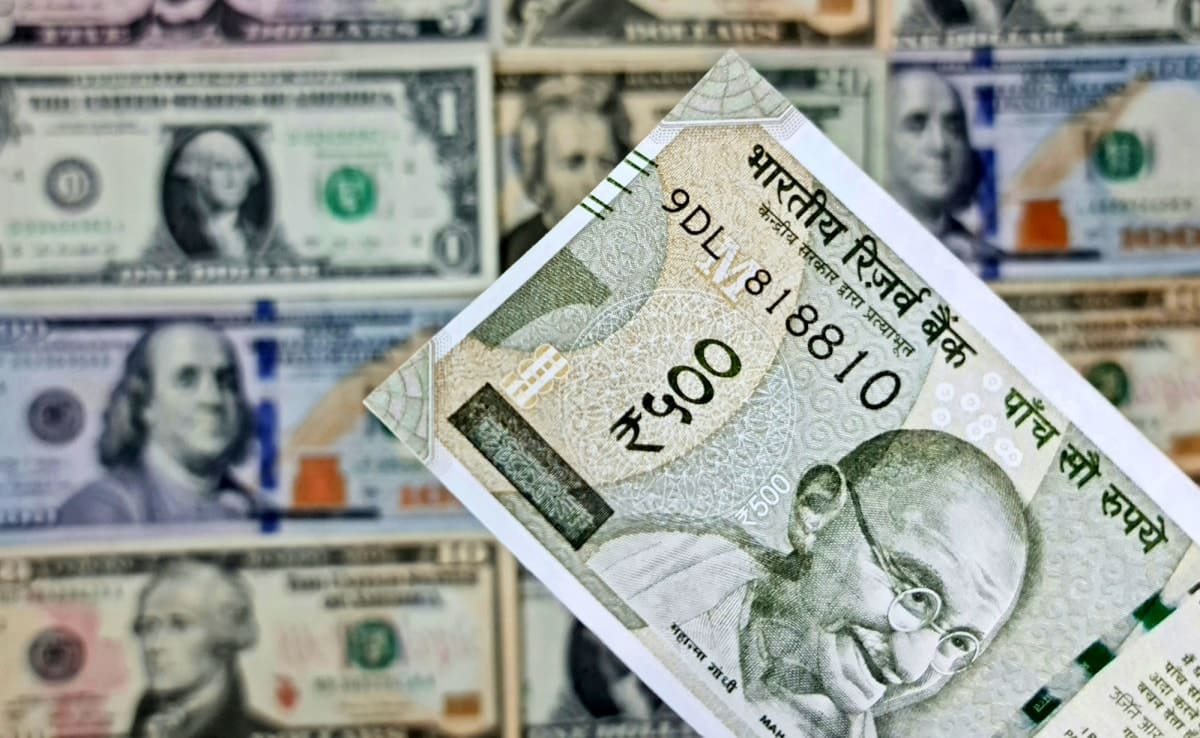
The Indian rupee fell to a record low on Wednesday as a deadlock in U.S.-Iran peace talks kept oil prices elevated, fuelling worries of a global inflation surge that have ramped up bets on rate hikes, lifting bond yields and weighing on equities. The rupee fell to 96.96 per dollar, breaching its all-time low of 96.6150 hit in the previous session. The currency is down 6% since the Iran war began in late February.
Higher energy prices and weak capital flows, further strained by rising bond yields, have left India facing the prospect of a steep balance of payments (BoP) deficit for the current fiscal year.
While a weaker rupee can serve as an automatic adjustment mechanism by raising the cost of imports and making exports cheaper, persistent depreciation can turn into a self-fulfilling loop and erode returns for foreign investors. Overseas investors have pulled out over $22 billion from local stocks and bonds since the war started, while Brent crude prices have surged over 50%. "We favor a view that unfettered FX depreciation perpetuates further depreciation, rather than achieving current account equilibrium through significant devaluation," economists at Citi said in a note.
They added that energy shocks could push the dollar-rupee pair to 98 in the short term, but expect a retracement towards 95 in the second half of fiscal 2027 if the conflict resolves or policymakers intervene decisively to address BoP challenges. Persistently high energy prices have stoked worries of a spike in a global inflation, prompting investors to raise bets on tighter monetary policy from central banks.
Interest rate futures show that the odds of a Federal Reserve rate hike have firmed, while swap markets in India are pricing in about 100 basis points of hikes over the next 12 months.
India's 10-year bond yield was last at 7.12%, up over 45 bps since the war began, while the benchmark Nifty 50 (.NSEI), opens new tab is down nearly 7% over the same period.