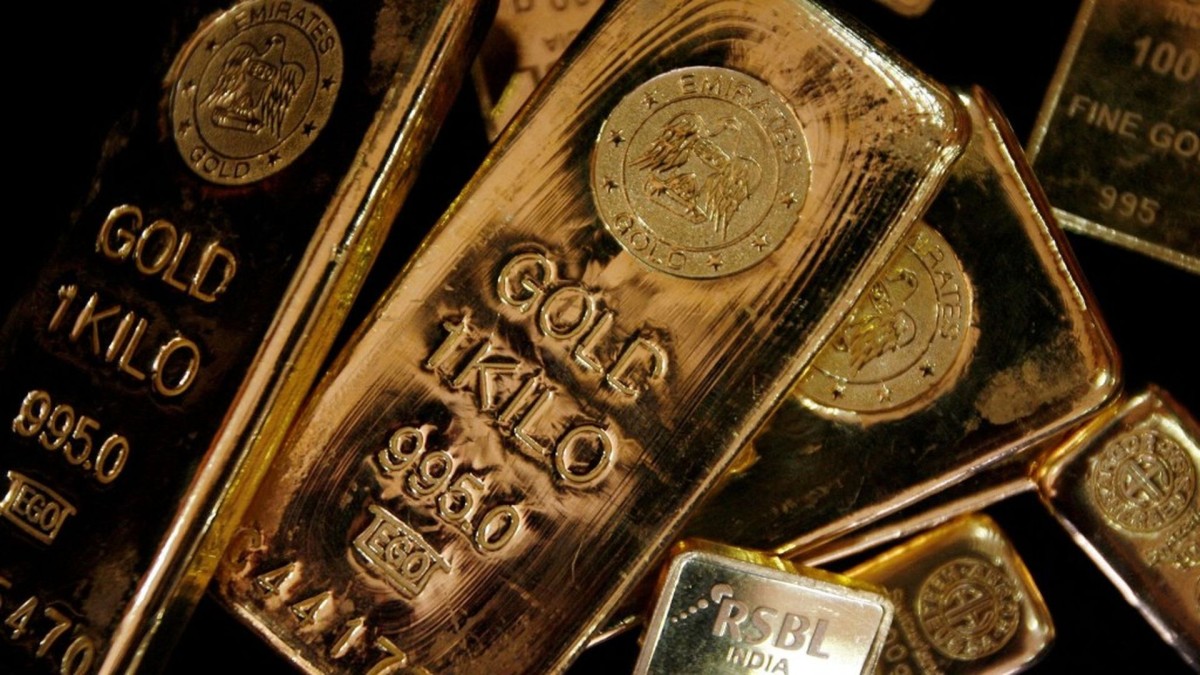
Gold prices slipped on Wednesday, as renewed hostilities in the Middle East pushed crude higher and stalled U.S.-Iran talks, while investors awaited upcoming U.S. economic data. Spot gold fell 0.5% to $4,460.36 per ounce by 0702 GMT, after rising more than 1% in the previous session. U.S. gold futures for August delivery slipped 0.7% to $4,488.90.
Get a daily digest of breaking business news straight to your inbox with the Reuters Business newsletter. Sign up here. Gulf hostilities flared anew, with the U.S. military saying Iranian missile attacks on Bahrain, Kuwait and other regional targets were either thwarted or failed.
U.S. Secretary of State Marco Rubio said on Tuesday that President Donald Trump's negotiating team has not offered Iran sanctions relief in exchange for reopening the Strait of Hormuz and insisted that any sanctions relief was tied to Tehran giving up its nuclear programme. "The market is now looking at the possibility that this ceasefire with Iran may not hold even though Trump is going to push for a peace deal resolution," said Kelvin Wong, a senior market analyst at OANDA. "If we start to see further escalation, that could also dampen whatever recovery that gold might have had." Oil prices rose more than 1%, deepening concerns over inflation and interest rate hikes.
Cleveland Federal Reserve President Beth Hammack said on Tuesday the U.S. central bank may need to raise interest rates soon should already-high inflation pressures continue to mount. Investors are now awaiting the ADP employment data, due later in the day, and employment report due on Friday to gauge the Fed's monetary policy path. Although gold is typically viewed as a hedge against inflation, it tends to lose its appeal as a non-yielding asset in a high interest-rate environment.