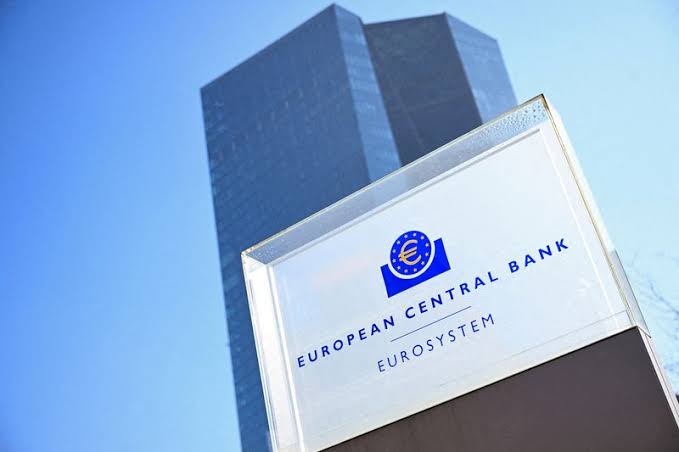
The European Central Bank will hold interest rates on July 23 but will hike for the second time this year in September as a renewed energy price surge raises the risk of more intense inflation pressures, according to a growing majority of economists polled by Reuters. A 20% jump in oil prices following a re-escalation of war in the Middle East has prompted markets to price in two more rate hikes this year, compared to one until the latest ceasefire arrangement between the U.S. and Iran ended. The ECB has already raised rates once this year, unlike many of its peers including the U.S. Federal Reserve, Bank of England and Bank of Canada. While preliminary official data showed euro zone inflation eased to 2.8% in June, that is still well above the ECB's 2.0% target, keeping alive the case for higher rates. But weak growth and limited evidence of second-round effects argue for caution. The bank faces a delicate balance as seen over the past decade or so. In 2011, it raised rates after energy prices spikes, which many consider a policy mistake. But a delayed response to supply-driven inflation after Russia's invasion of Ukraine in 2022 triggered an aggressive tightening cycle.
All 74 economists in the July 13-16 Reuters poll expected the ECB to leave its deposit rate unchanged at 2.25% next week, in line with market pricing.
A 70% majority of respondents, 52 of 74, expected one more rate hike this year, probably in September, up from around 60% in last month's poll. "The ECB probably would have needed to hike anyway even if we hadn't had all of this extra noise around the Strait of Hormuz over the past week or so," said Chris Scicluna, head of economic research at Daiwa Capital Markets.
Gas prices are significantly higher and electricity power prices are higher as well. The ECB is going to have to take account of this when it next updates its forecast in September. But for now it will judge there's no urgency for it to raise rates just yet again." Nearly 30% of economists still see rates unchanged for the rest of the year while only three expect two more hikes. The video player is currently playing an ad. You can skip the ad in 5 sec with a mouse or keyboard
Policymakers have struck a cautious tone on inflation risks, particularly second-round effects, but have called for vigilance. "The balance in the Governing Council today is slightly more on the side of the hawkish people even though everybody knows pretty well that because of the growth momentum we have today in the euro area they have to be very cautious with a policy rate hike," said Alain Durre, head of Europe macro research at Natixis.
However, economists lowered their 2026 inflation forecasts - largely before the latest Middle East flare-up - by around 40 basis points on average, marking the first downward revision in five months, according to poll medians. Still, inflation was not expected to return to the ECB's 2% target until the second quarter of 2027 with core price pressures forecast to rise.