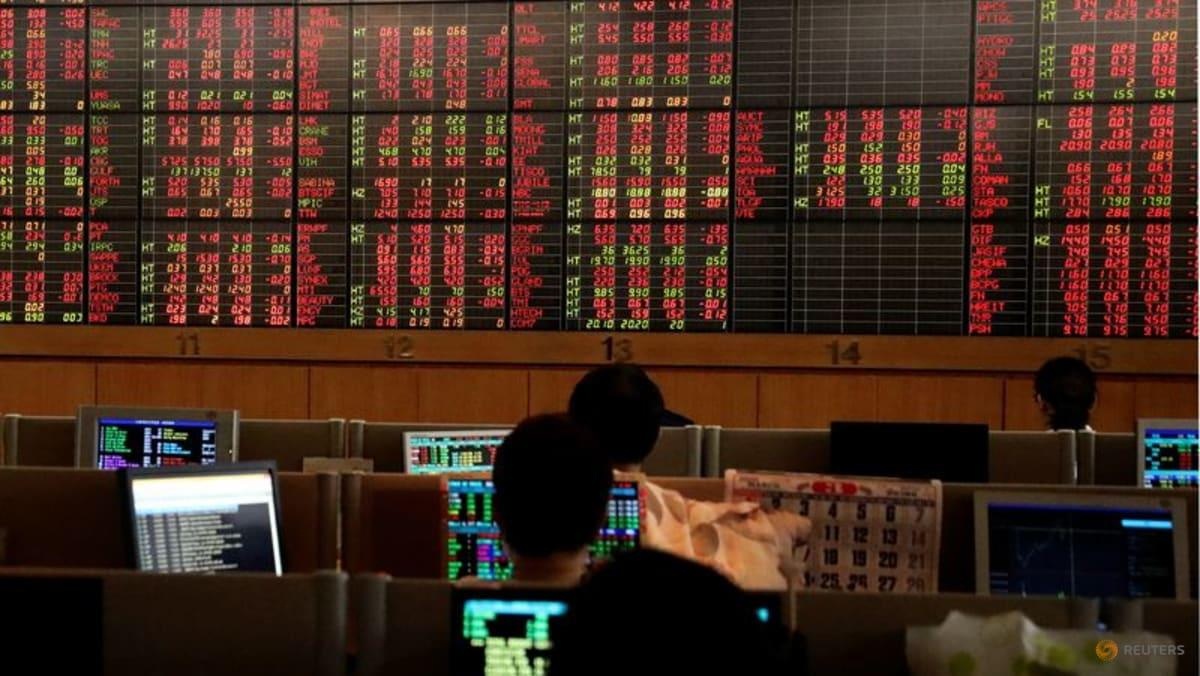
Asian stock markets suffered sharp losses on Thursday as a global sell-off in technology and semiconductor shares intensified, driven by stronger-than-expected US inflation and growing concerns over the financial sustainability of artificial intelligence investments.
South Korea's benchmark KOSPI index declined approximately 7.6%, while Japan's Nikkei 225 fell nearly 5%, extending a period of significant volatility across major Asian financial markets.
The declines followed losses on Wall Street, where the Nasdaq Composite dropped approximately 1.9% and the S&P 500 fell 1.1% during Wednesday's session.
Investors have become increasingly cautious about the valuations of technology businesses exposed to artificial intelligence, particularly as higher borrowing costs raise questions about the profitability of long-term infrastructure investment.
The technology sell-off also affected semiconductor markets, with significant declines across leading Asian chipmakers.
September's US inflation reading of 3.7% added to the pressure by increasing expectations that the Federal Reserve may maintain restrictive monetary policy or introduce additional interest rate increases.
Higher interest rates typically weigh on growth-oriented equities because they increase financing costs and reduce the present value of expected future earnings.
Government bonds attracted demand as some investors shifted toward safer assets, contributing to falling yields in several major debt markets.
European equities experienced comparatively smaller declines during early trading, although uncertainty surrounding global interest rates and technology valuations continued to influence sentiment.
The latest market movements highlight the vulnerability of international stock markets to changing monetary policy expectations and shifts in investor confidence toward the artificial intelligence sector.