
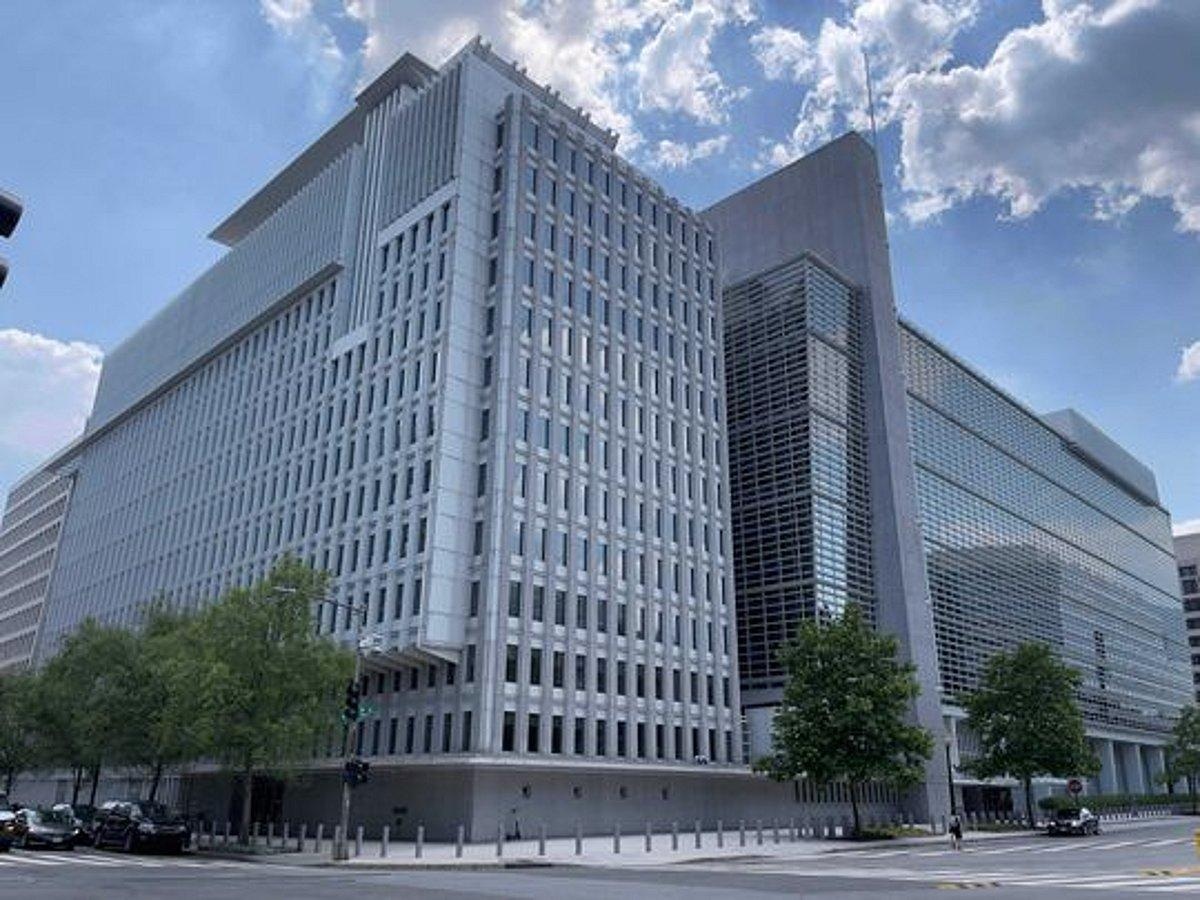
The World Bank is in discussions with 30 to 40 countries about potential emergency financial assistance as rising energy prices, increasing borrowing costs, and mounting debt obligations threaten economic stability across developing markets.
World Bank President Ajay Banga disclosed the discussions in an interview on October 11, 2026, ahead of the annual meetings of the World Bank and International Monetary Fund (IMF) in Bangkok.
The potential assistance comes amid growing concerns about the economic consequences of the Middle East conflict, which has disrupted energy markets and contributed to higher diesel and fertilizer prices.
The World Bank initially made $25 billion in crisis financing available after the conflict began in late February. However, demand for the emergency funding remained relatively limited as the global economy showed resilience despite geopolitical uncertainty.
Banga attributed part of that resilience to substantial investment in artificial intelligence and adjustments in oil supply and demand, which helped economies absorb some of the initial disruptions.
Nevertheless, the outlook for developing countries has become increasingly challenging as higher fuel prices, elevated borrowing costs, and the possibility of a severe El Niño weather event threaten inflation, agricultural production, and economic activity.
The World Bank estimates that approximately $50 billion to $60 billion could be made available through a combination of emergency assistance and resources redirected from previously approved development projects.
If economic conditions deteriorate further, the institution could expand potential crisis support to as much as $100 billion, although the additional financing remains contingent on future needs.
Developing economies are particularly vulnerable to these pressures because many continue to face substantial external debt obligations while maintaining limited fiscal resources.
According to World Bank estimates, developing countries face approximately $400 billion in external debt payments in 2026, with interest accounting for roughly one-third of the total.
Elevated interest rates and rising borrowing costs have increased the financial burden on these economies, limiting their ability to support domestic growth and respond to unexpected economic disruptions.
The World Bank has also reported a significant increase in private capital mobilization, attracting a record $112 billion during the financial year ending in June 2026, compared with $69 billion in the preceding year.
Together with approximately $123 billion in financing from the institution's own resources, total financing and mobilized investment reached around $235 billion.
Despite these gains, private capital flows remain concentrated in middle-income economies, while low-income countries continue to attract relatively limited investment.
To address these disparities, the World Bank is expanding its use of political risk guarantees, local-currency financing arrangements, and regulatory reforms intended to encourage investment in developing markets.
The institution is also working with the IMF on measures to address sovereign debt pressures, including debt-for-development swaps that could help countries replace expensive borrowing with more affordable financing.
Banga indicated that approximately 14 to 15 such transactions are under consideration, with potential savings directed toward public services and development priorities.
The negotiations come at a time when global financial markets remain sensitive to geopolitical developments, fluctuations in energy prices, and concerns about sovereign debt sustainability.
For investors, the World Bank's discussions highlight the potential economic risks facing emerging and frontier markets, where inflation, currency volatility, and borrowing costs can influence financial stability and investment conditions.
As policymakers prepare for the IMF and World Bank meetings, developments in international financial assistance and debt restructuring are expected to remain important areas of attention for global markets.