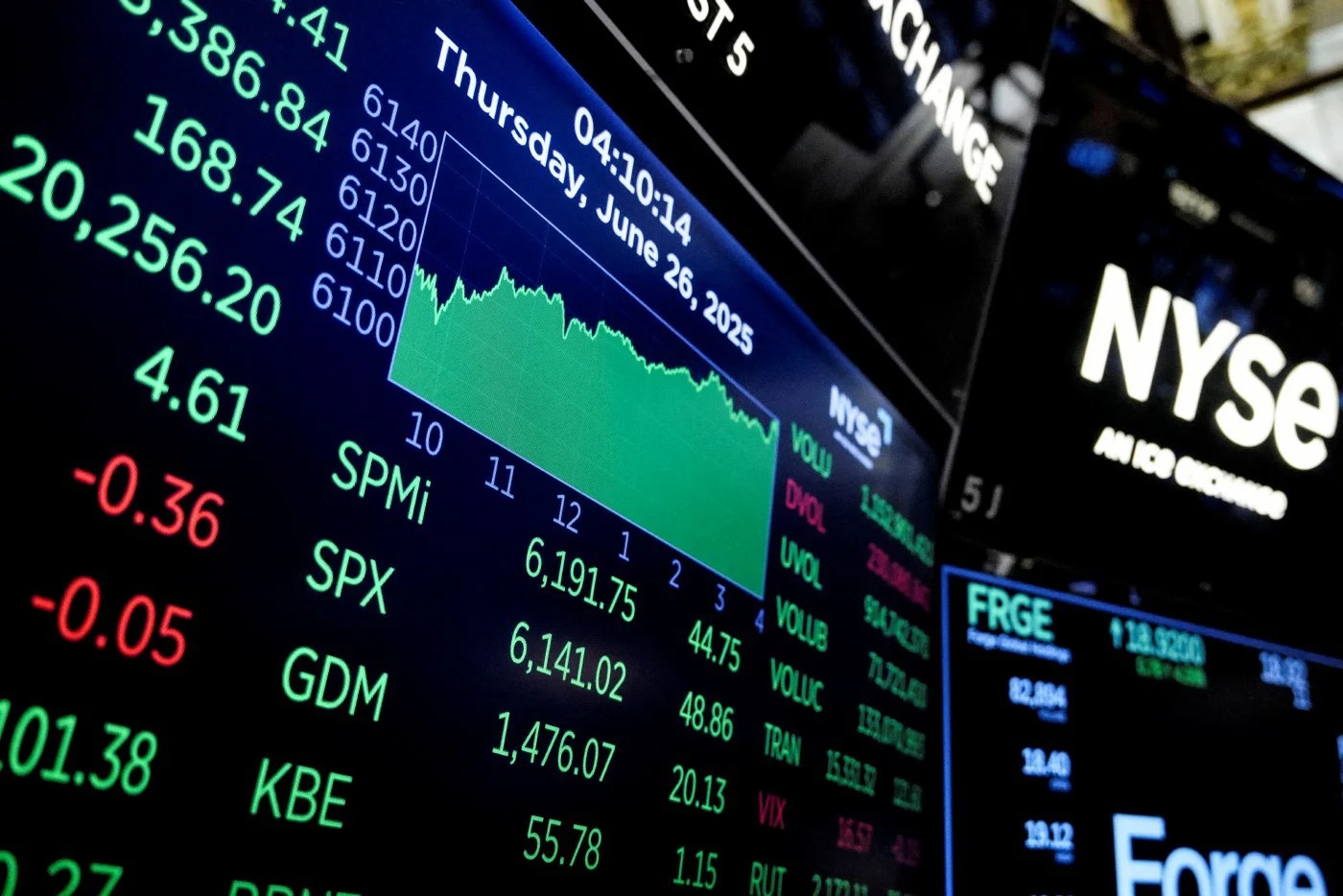
Global stocks fell on Tuesday, led by broad-based declines in technology stocks, as investors expect the Federal Reserve to take more aggressive action to tackle inflation, even after a 16% drop in oil prices this month. The STOXX 600 (.STOXX), opens new tab fell 1.2%, under pressure from declines in European semiconductor and chip-equipment makers, which followed declines in tech stocks in Japan and South Korea, where Seoul's KOSPI index (.KS11), opens new tab fell 10% in its largest one-day selloff since March.
Futures on the Nasdaq were down more than 2.5%, suggesting Monday's 1.3% slide might extend into a second day. Shares of SpaceX (SPCX.O), opens new tab on Monday lost nearly 17% after the firm tapped the following its blockbuster initial public offering earlier this month, while the likes of Alphabet <GOOGL.O, opens new tab>, Meta Platforms <META.O, opens new tab> and Microsoft <MSFT.O, opens new tab> also tumbled.
"These are far from dull markets," said Chris Weston, head of research at Pepperstone Group in Melbourne. "The former generals of the market appear to have lost momentum and investors are rotating into other areas of the market that are more defensive, less AI-focused and offer more predictable cash flows."
Brent crude futures edged below $76 a barrel for the first time since early March on Tuesday, as the number of vessels transiting through the Strait of Hormuz continued to build and oil prices in the physical market are almost back to pre-war levels. A drop in oil would ordinarily give stocks a boost, but investors are now focussed on what the surge in energy prices will mean for central bank policy and, specifically, the Federal Reserve. New Chair Kevin Warsh looks set to take a much tougher line on inflation. Federal Reserve Board building in Washington The exterior of the Marriner S. Eccles Federal Reserve Board building is seen in Washington, D.C., U.S., June 14, 2022. REUTERS/Sarah Silbiger/File Photo Purchase Licensing Rights
As such, 2-year Treasury yields , which are the most responsive to shifts in expectations for inflation and rates, have shot to their highest point in 16 months to trade at around 4.188% , while longer-dated yields have also risen sharply. "The adjustment higher in U.S. yields is creating a more challenging backdrop for risk assets in the near term after strong gains in recent months," MUFG currency strategist Lee Hardman said.