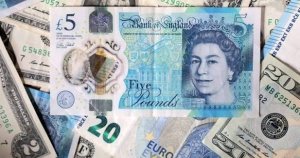
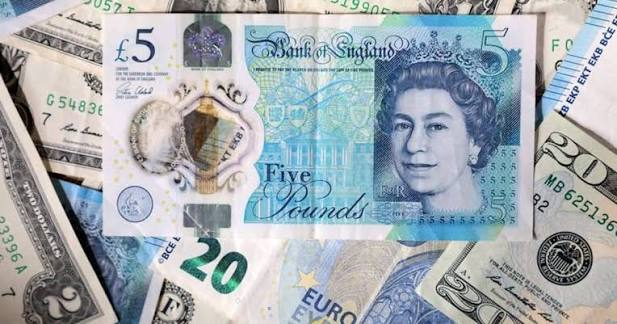
Sterling strengthened against the euro on Thursday ahead of the Bank of England's interest rate decision, although it weakened against the dollar as escalating Middle East tensions reinforced the U.S. currency's safe-haven credentials. The pound slipped 0.2% to $1.334, but gained against the euro, which eased 0.15% to 0.8573 pence, hovering around its lowest point since early July .
Get a look at the day ahead in European and global markets with the Morning Bid Europe newsletter. Sign up here. The BoE is due to deliver its interest rate decision at 1100 GMT. Markets widely expect policymakers to leave borrowing costs unchanged while assessing whether the recent jump in oil prices will translate into higher energy costs and renewed inflation pressures. Despite expectations for no immediate policy move, money markets are pricing in at least one 25-basis-point rate increase by the year-end, according to LSEG-compiled data. Focus will particularly be on the central bank's forecasts and the voting breakdown among the nine members of the Monetary Policy Committee for clues on the future policy path. Governor Andrew Bailey is also scheduled to speak following the decision. "Consensus expects a 7-2 vote for unchanged rates. If it's closer, if it's 6-3 or even 5-4, sterling would get a rally," said Chris Turner, global head of markets at ING. "It's a bit early to expect the market to completely price out the tightening that they currently have priced, but we think over time, as those tightening expectations fade, sterling will weaken. So we think euro/sterling will end maybe in September at 87 from below 86 today." The pound is one of the better performing major currencies against the dollar this year, underpinned by rate-tightening expectations. The yield on the 2-year gilt dipped 4 basis points to 4.42%, while that on the benchmark 5-year bond was down 1 bp, but still around a one-week high, at 4.6%. Markets and the BoE are awaiting fresh clues on new Prime Minister Andy Burnham's plans for borrowing and spending in his finance minister John Healey's first budget later this year. Keeping investors on edge, Brent crude prices rose again to $92 a barrel after fresh exchanges between the U.S. and Iran heightened concerns that the conflict could continue to disrupt crucial energy supplies through the key Strait of Hormuz and the Red Sea. The risks are particularly acute for Britain and Europe, which rely heavily on imported energy.
The escalation in Gulf sent investors flocking to the dollar, in part because the U.S. is a net energy exporter, but also on the expectation that U.S. rates might rise, LSEG-compiled data showed. The U.S. Federal Reserve left interest rates unchanged late on Wednesday and Chairman Kevin Warsh offered investors no guidance on monetary policy.
He, however, said he welcomed bond yields rising since the last meeting. Yields on 30-year Treasury bonds hit their highest since mid-2007, above 5.2% after Warsh's comments.