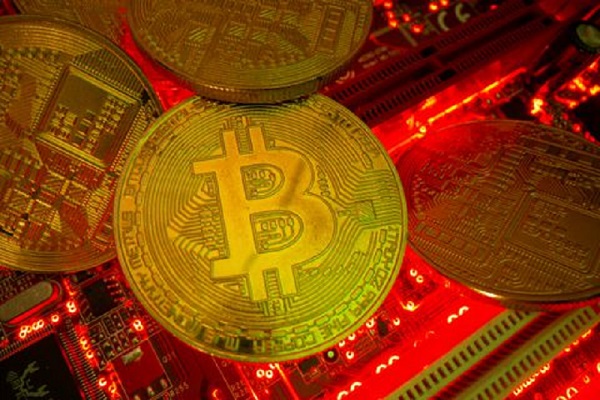
Bitcoin’s decline from record highs is unlikely to reverse until global liquidity improves, said David Grider of Finality Capital Partners, adding U.S.-Iran tensions have added to macro pressures by raising inflation concerns and pushing rate-cut expectations further out.
Grider told Investing.com that global liquidity, which he identified as the primary driver of digital asset prices, peaked in the fourth quarter of 2025, with price effects typically lagging by six to nine weeks.
Track breaking market moves with live headlines and analyst notes - 50% off
"Liquidity needs to turn around before the digital asset cycle can fully bottom," Grider said.Bitcoin has fallen roughly 52% from its late-2025 record high, a drop that Grider said meets the standard definition of a bear market.
The selloff has coincided with a stronger dollar, reduced inflows into U.S. spot Bitcoin exchange-traded funds, and the outbreak of U.S.-Iran military hostilities.Grider said the conflict had initially weighed on Bitcoin through risk-off sentiment but noted the cryptocurrency had outperformed both the S&P 500 and gold in relative terms in the weeks following the start of hostilities.
The war’s more significant impact on digital assets, he said, has been indirect. Energy-driven inflation fears have caused markets to price out Federal Reserve rate-cut expectations, tightening financial conditions and weighing further on global liquidity."No two events in financial markets are unrelated," he said.
"Energy-driven inflation fears have contributed to the market sharply pricing out rate-cut expectations since the conflict began."
The divergence between gold and Bitcoin ETF flows during the period largely reflects Chinese institutional demand for gold that has no equivalent Bitcoin channel due to domestic trading restrictions, Grider said, rather than a structural shift away from digital assets.
He flagged quantum computing as a longer-term risk to digital asset security protocols, though he described the issue as solvable and said a resolution would ultimately catalyze greater institutional adoption.
Despite near-term caution, Grider said expanded regulatory permissions allowing banks to trade and finance digital assets had improved the industry’s structural footing, comparing the current moment to Wall Street’s early engagement with the internet in the mid-1990s."
Once the market turns around, the industry will be on a better footing for strong growth," he said.