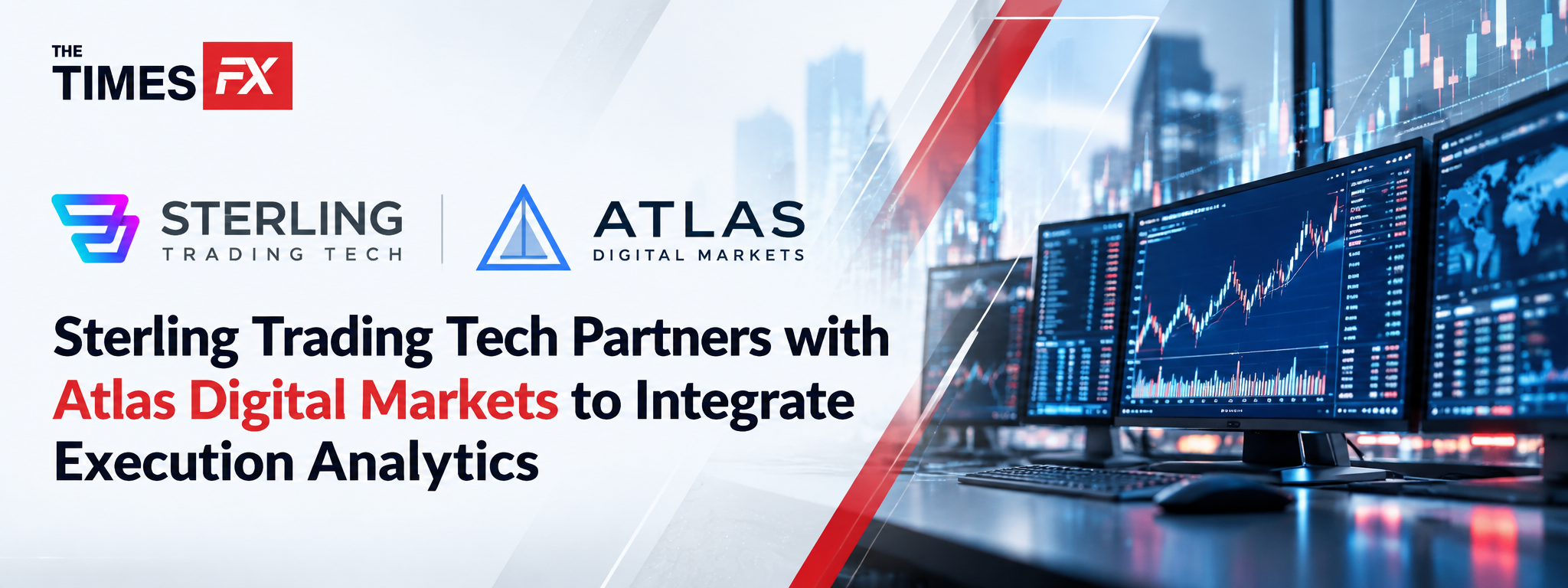
Sterling Trading Tech has announced a technology partnership with Atlas Digital Markets to integrate transaction cost analysis capabilities into its institutional order management infrastructure, helping trading firms and broker-dealers evaluate execution quality more effectively.
Announced on October 14, 2026, the collaboration will introduce Atlas Digital Markets' transaction cost analysis engine into Sterling OMS 360 and Sterling Data Warehouse, enabling clients to assess trading performance using their own order and execution records.
The integration is expected to become available to Sterling clients during the fourth quarter of 2026, with a focus on providing greater transparency into execution outcomes and supporting compliance with best-execution requirements.
By embedding analytics into platforms already used to manage and store institutional trading data, the companies aim to reduce the need for separate reporting systems and make it easier for firms to examine execution performance across different trading strategies and market conditions.
Transaction cost analysis helps financial institutions measure the costs associated with trading activity, including the relationship between execution prices, market conditions and trading benchmarks. These capabilities are particularly relevant to broker-dealers seeking to demonstrate that client orders are handled in accordance with execution policies.
The partnership combines Sterling's order management and risk technology with Atlas Digital Markets' experience in electronic trading analytics, creating a more integrated workflow for analyzing historical trading activity and supporting trading decisions.
The companies also see opportunities to extend their collaboration into additional trading technologies and asset classes, although those capabilities remain part of their future development plans.
The agreement reflects growing demand among institutional market participants for integrated execution analytics, particularly as brokerage firms face increasing expectations around trading transparency, operational efficiency and regulatory oversight.