Gold prices declined sharply on Thursday, reaching their lowest level in more than two months as rising crude oil prices intensified global inflation concerns and reinforced expectations that interest rates could remain elevated.
Spot gold fell approximately 1.9% to $4,060.37 per ounce during the session, its weakest level since early August, while US gold futures also recorded significant losses.
The decline came despite continuing geopolitical tensions in the Middle East, which would ordinarily be expected to support demand for traditional safe-haven assets.
However, investors have increasingly focused on the potential consequences of higher energy prices for inflation and monetary policy.
A sustained increase in crude oil costs can raise transportation, manufacturing, and distribution expenses, creating additional inflationary pressure across major economies.
These developments could encourage central banks, particularly the US Federal Reserve, to maintain higher interest rates for longer than previously anticipated.
Gold does not generate interest income, making it less attractive to some investors when government bonds and other interest-bearing investments offer higher yields.
Recent US inflation figures have also strengthened expectations that policymakers may adopt a more restrictive approach to monetary policy.
The Federal Reserve is expected to leave interest rates unchanged at its October 27–28 meeting, although investors will closely examine policymakers' statements for indications of a possible increase later in the year.
Market pricing on Thursday indicated substantial expectations of a December interest rate increase, reflecting growing uncertainty over the inflation outlook.
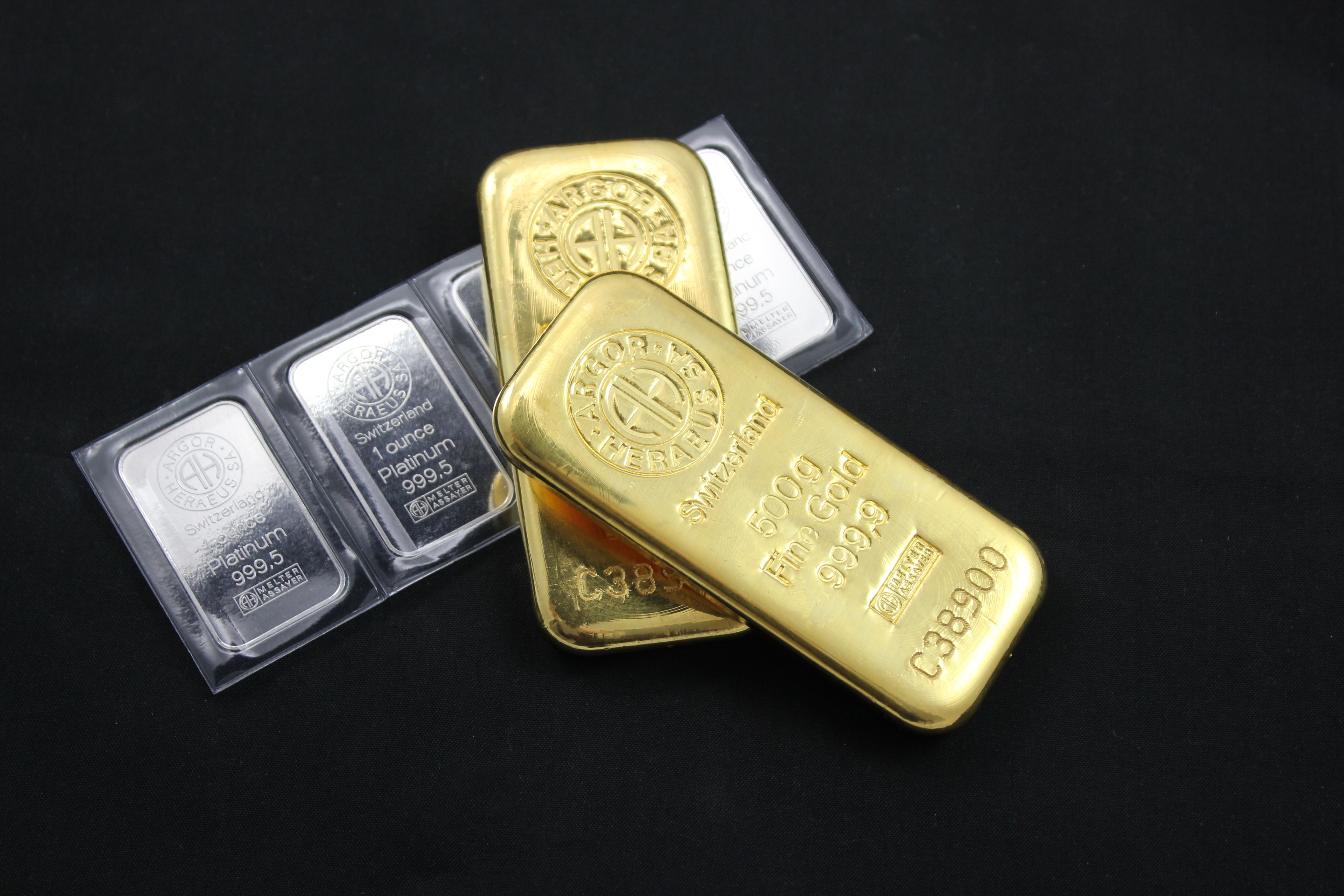
Other precious metals also weakened, with silver, platinum, and palladium recording notable declines as selling pressure spread across the metals market.
Looking ahead, investors will monitor the upcoming US Personal Consumption Expenditures inflation report, scheduled for October 29, for further insight into potential monetary policy decisions.
Gold's latest decline highlights the complex relationship between geopolitical uncertainty, inflation expectations, interest rates, and investor demand for safe-haven assets.