
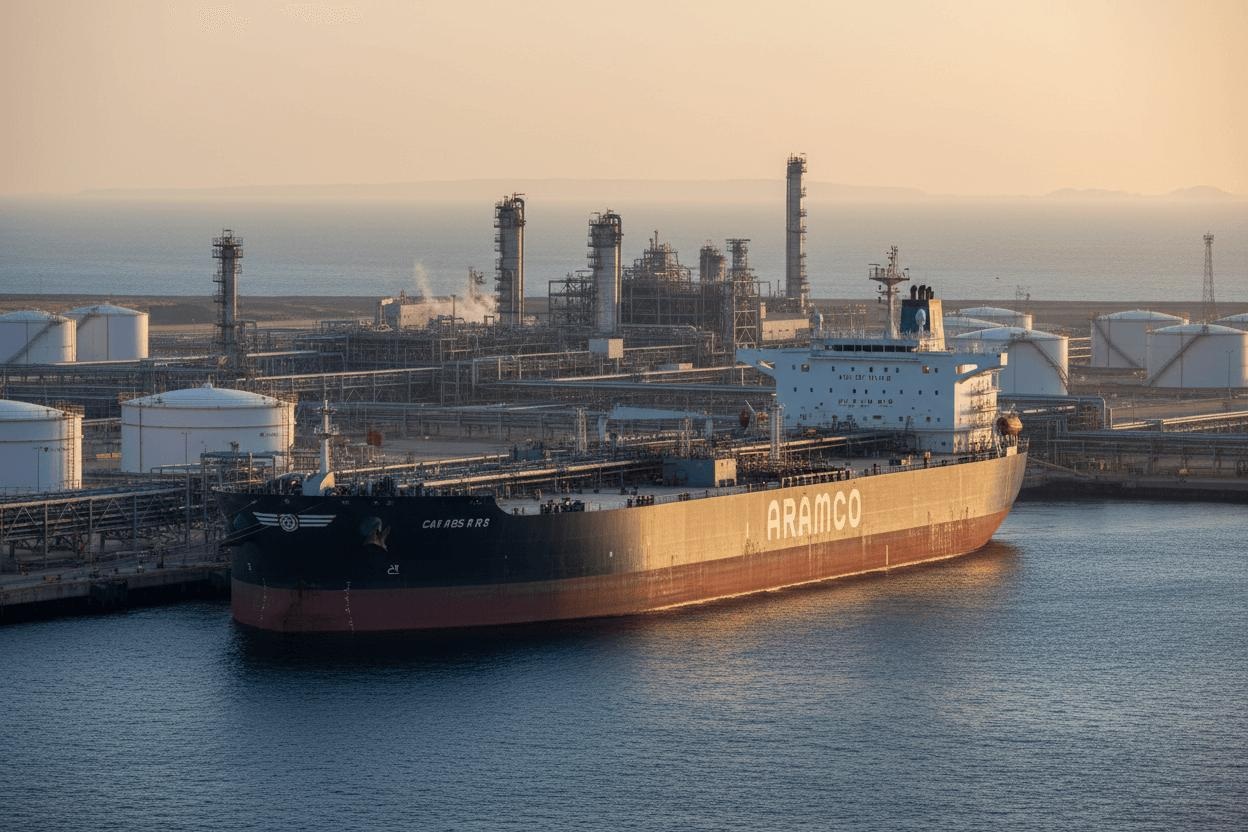
Oil prices moved lower on Tuesday as traders weighed stronger crude exports from the Middle East against persistent geopolitical risks in the Gulf, with improving physical supply helping ease some of the concerns that had previously supported prices.
Brent crude fell below the $100-a-barrel level, while U.S. West Texas Intermediate also declined as market participants reassessed the balance between available supply and the continuing risk of disruptions to major energy routes.
Middle Eastern crude exports have shown signs of recovery, with shipments on several days in late September exceeding levels recorded before the recent conflict. Oil flows from Gulf producers excluding Iran also recovered significantly during September, providing the market with evidence that regional supply has remained more resilient than initially feared.
The improvement in exports is putting downward pressure on prices at a time when governments are also taking measures to strengthen global supply. The Group of Seven has announced plans to release 100 million barrels of crude oil and diesel from emergency reserves, adding another source of supply to the market.
However, geopolitical risks remain a major source of uncertainty. Renewed attacks involving tankers around the Strait of Hormuz have kept concerns over shipping security, transportation costs and insurance premiums firmly in focus.
The Strait of Hormuz remains one of the world's most important energy transit routes, meaning any significant disruption could quickly affect international oil flows and trigger renewed volatility in crude markets.
For traders, the market is therefore being pulled in opposing directions. Stronger exports and emergency reserve releases are helping ease immediate concerns over shortages, while security risks in the Gulf continue to provide potential upside pressure.
The latest price movement suggests traders are currently placing greater weight on improving physical supply, although developments in the Gulf are likely to remain a major driver of crude prices in the near term.